Why Your Indianapolis Home Has Hot and Cold Spots: HVAC Solutions
Published: 2026-05-11 · By RidgeCrest Heating and Cooling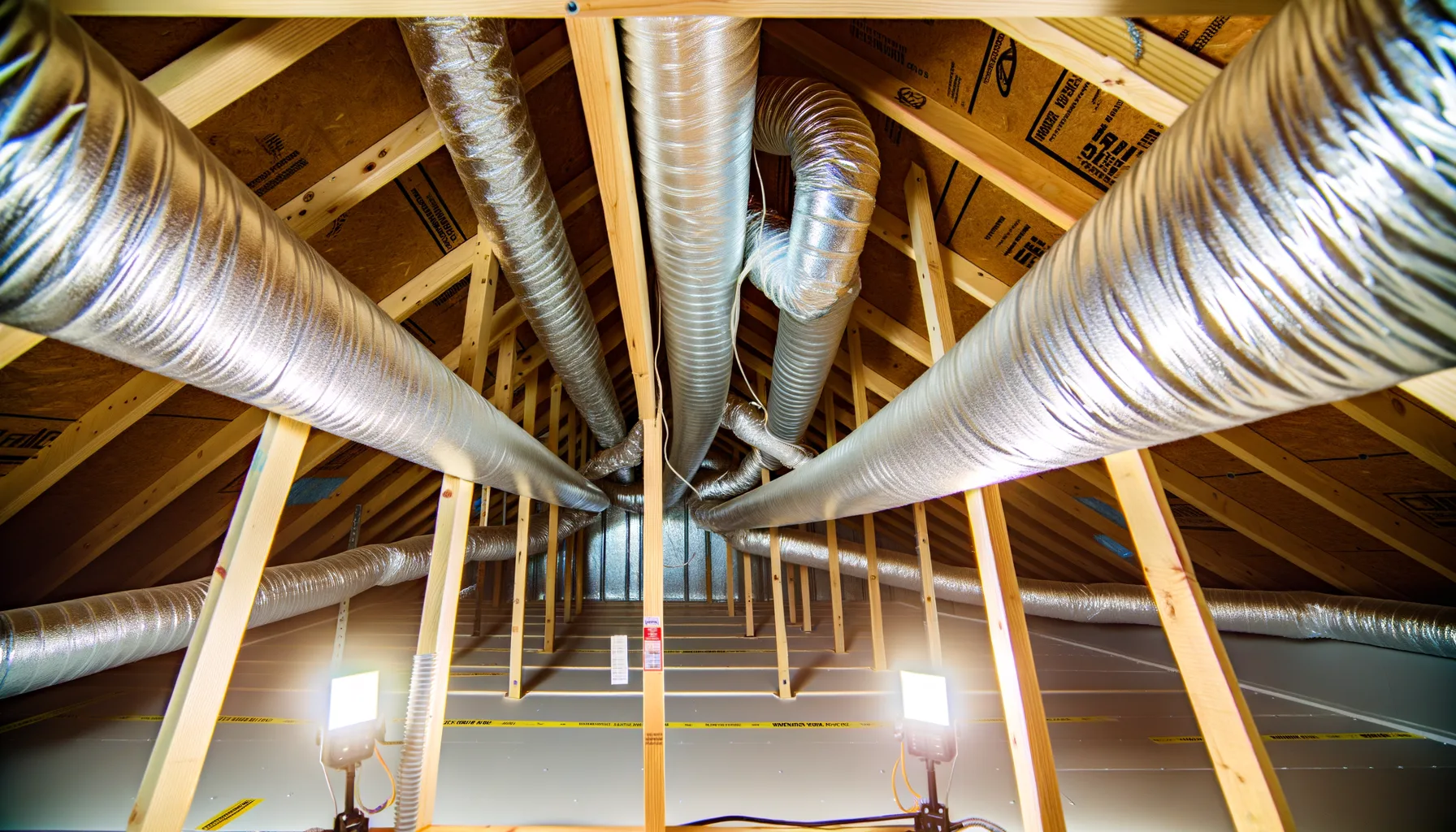
Imagine it's a brisk fall evening in Indianapolis, and you settle into your living room, coffee in hand, only to notice that one side of the room feels like a warm embrace while the other begs for a sweater. Hot and cold spots can turn cozy nights into uncomfortable experiences. Understanding why these temperature discrepancies occur in your home is essential, especially as the seasons shift and your HVAC system faces increased demands. In a city where winters chill to the bone and summers can feel sweltering, maintaining consistent indoor temperatures is vital for comfort and energy efficiency. Let's dive into the reasons behind these frustrating hot and cold spots and how you can tackle them head-on.
Why This Matters for Indianapolis Homeowners
Hot and cold spots in homes are a common issue, particularly in Indianapolis, where the temperature can swing dramatically with the changing seasons. These temperature imbalances can stem from several factors, including your HVAC system’s performance, insulation quality, and even your home's design. While some areas may retain heat better than others, colder regions often leave you reaching for extra blankets as the mercury drops.
In Indianapolis, where homes vary in age and building techniques, design flaws can lead to uneven heating and cooling. Older properties may not have the necessary ductwork balance, while newer builds might have more efficient systems strained by inadequate insulation. This is increasingly problematic during the cold Indiana winters or the sultry summers when your HVAC system is working overtime.
Additionally, humidity levels in Indianapolis can exacerbate the discomfort caused by temperature inconsistencies. An imbalance can make a hot room feel even hotter, while cold spots might lead to a clammy chill that no one wants while lounging in their living room.
Expert Solutions & Actionable Tips
1. Check Your Air Ducts
Your home’s ductwork is vital for distributing air evenly throughout your space. If you find certain rooms consistently too hot or too cold, it may be due to blocked or leaking ducts. Duct cleaning services in Indianapolis generally range from $200 to $500, depending on your home size and system complexity. Schedule a professional inspection annually to evaluate and address any duct issues before the extremes of summer or winter.
2. Invest in a Programmable Thermostat
A programmable thermostat can significantly improve your home's temperature control. For an investment of around $100 to $300, you can automate temperature adjustments based on your daily schedule. This technology allows for more consistent heating and cooling, helping to alleviate hot and cold spots. Consider professionals like RidgeCrest Heating and Cooling for installation in Indianapolis if you're unsure how to choose the right model.
3. Add Insulation Where Needed
Good insulation acts as a barrier against temperature fluctuations. Many homes in Indianapolis, especially older builds, may have insufficient insulation, which leads to hot and cold spots. Upgrading insulation can cost between $1,500 and $4,000, depending on the area being insulated. However, better insulation will not only provide consistent temperatures but also lower your energy bills year-round.
4. Utilize Ceiling Fans Wisely
Ceiling fans can complement your HVAC system by promoting even air circulation. During winter, set fans to run clockwise to push warm air down from the ceiling, and in summer, switch them to counter-clockwise for a cooling breeze. With an installation cost around $100-$300, incorporating fans is a simple solution that can improve air distribution without significantly impacting your power bill.
5. Seal Windows and Doors
Gaps and leaks around windows and doors can let precious heated or cooled air escape, causing unwanted temperature fluctuations. A quick assessment and sealing these cracks with caulk or weather stripping typically costs $100-$300, depending on the extent of the issue. This small investment can enhance your indoor comfort significantly this winter and summer.
6. Regular HVAC Maintenance
Routine maintenance of your HVAC system is crucial in preventing hot and cold spots. Annual servicing, typically costing between $100 and $250, ensures that your system operates efficiently. Technicians will check for any issues affecting airflow and heating capacity, helping to maintain consistent home temperatures all year long.
Indianapolis Climate & Local Context
Indianapolis has a diverse climate that fluctuates significantly with the seasons, often leading to challenges in maintaining comfortable indoor temperatures. The city experiences frigid winters where outdoor temps can plummet into the single digits and sticky summers with highs exceeding 90 degrees. These variations can directly affect HVAC system performance. Homes built decades ago generally have unique building materials and techniques that may not align with contemporary heating and cooling best practices, leading to various temperature issues.
Moreover, local building codes may require specific furnace efficiency ratings or duct installation techniques. When addressing hot and cold spots, it's essential to consider not just your home’s age but also how it was constructed. Licensed contractors like RidgeCrest Heating and Cooling are familiar with local permits and can help you address any compliance issues that arise during upgrades or repairs.
When to Call a Professional
Deciding when to DIY versus when to contact a professional can be daunting. A homeowner may find certain minor issues manageable, but more significant problems often require expert intervention. Here are some red flags that signal it's time to call a pro:
- You notice unusual noises or smells from your HVAC unit.
- Rooms remain too hot or too cold despite adjustments to the thermostat.
- Your energy bills have spiked without any changes in usage.
- Airflow from vents is weak or uneven.
- Moisture or leaks appear around the furnace or air conditioning unit.
- Your system is older than 15 years and has not been serviced regularly.
If you recognize any of these signs, don't hesitate to reach out to professionals like RidgeCrest Heating and Cooling. Their expertise can save you from costly repairs or further HVAC complications down the road.
Frequently Asked Questions
What causes hot and cold spots in my Indianapolis home?
Hot and cold spots can stem from several issues, including poor ductwork design, insufficient insulation, or faulty HVAC equipment. In a city with diverse weather patterns like Indianapolis, these factors are especially common.
How can I minimize hot and cold spots myself?
Simple DIY fixes include sealing gaps around windows and doors, using ceiling fans for better air distribution, and ensuring your vents are unblocked and clean for optimal airflow.
When should I consider upgrading my HVAC system?
If your system is over 15 years old, frequently requires repairs, or fails to maintain consistent temperatures, it may be time for an upgrade. Consult with RidgeCrest Heating and Cooling for an evaluation.
Is regular HVAC maintenance really necessary?
Yes! Regular maintenance can prolong the life of your HVAC system and improve efficiency, helping to prevent issues like hot and cold spots. Schedule at least annual inspections to ensure smooth operation.
How do I find a reputable HVAC contractor in Indianapolis?
Look for licensed contractors with strong local reviews and experienced professionals. RidgeCrest Heating and Cooling has a solid reputation for quality service in the Indianapolis area.
Get Expert HVAC Service in Indianapolis
Don’t let hot and cold spots disrupt your comfort any longer. If you're noticing persistent temperature fluctuations in your home, reach out to RidgeCrest Heating and Cooling today for a thorough evaluation and tailored solutions. Call (463) 275-9216 to get started on your path to a consistently comfortable home in Indianapolis.
Whether it's a minor adjustment or a significant upgrade, RidgeCrest Heating and Cooling is here to assist you with all your HVAC needs and ensure your home remains cozy through every seasonal change.